PhD in Computer Science Programs: A Complete 2026 Guide
Explore what a PhD in Computer Science involves, including affordable options, admissions requirements, timelines, costs/funding, and high‑growth careers
A PhD in Computer Science is a research-intensive doctorate, typically taking 5 to 6 years to complete, that prepares graduates for careers in academic research, industry R&D, and government labs. Most funded programs cover full tuition plus a living stipend. Common research areas include AI/ML, systems, theory, security, HCI, and data science.
Introduction
According to the U.S. Bureau of Labor Statistics, employment of Computer and Information Research Scientists is growing much faster than average. This is a career most aligned with a PhD in computer science, which is projected to grow 20% from 2024 to 2034.
Are you thinking about an advanced research path in computer science? Here are the essentials you need to know about pursuing a PhD in Computer Science.
What is a PhD in computer science?
A PhD in computer science is a research‑intensive doctorate that focuses on producing original scholarship. It generally takes 5-6 years to complete. As a doctorate in computer science, it requires a dissertation under faculty mentorship in areas like AI, systems, theory, HCI, security, and data science.
These programs are mostly milestone‑based. For example, you need to qualify exams, proposal, dissertation, and defense, which emphasizes deep research training and independent inquiry rather than just coursework. In practice, a CS PhD culminates in new knowledge contributions and peer‑reviewed outputs that prepare you for advanced research roles in academia, industry, and government labs.
Research Areas in Computer Science PhD Programs
Computer science PhD programs organize around a handful of core research areas. AI and Machine Learning is the fastest-growing and most heavily funded right now. Systems work covers the operating systems, networks, and architecture everything else runs on, while Theory of Computation, the smallest and most selective track, deals in algorithms and computational complexity. Human-Computer Interaction, Security and Privacy, and Data Science round out the major tracks. Most programs expect some overlap between these anyway, so treat the categories as a starting point for conversations with potential advisors, not a rigid choice you're locked into before you apply.
Best PhD in Computer Science Programs
The “best” PhD in Computer Science programs combine strong faculty, active research labs, and proven career outcomes. Below is a list of top universities widely recognized for excellence in doctorate in computer science training.
Admission Required for Doctorate in Computer Science
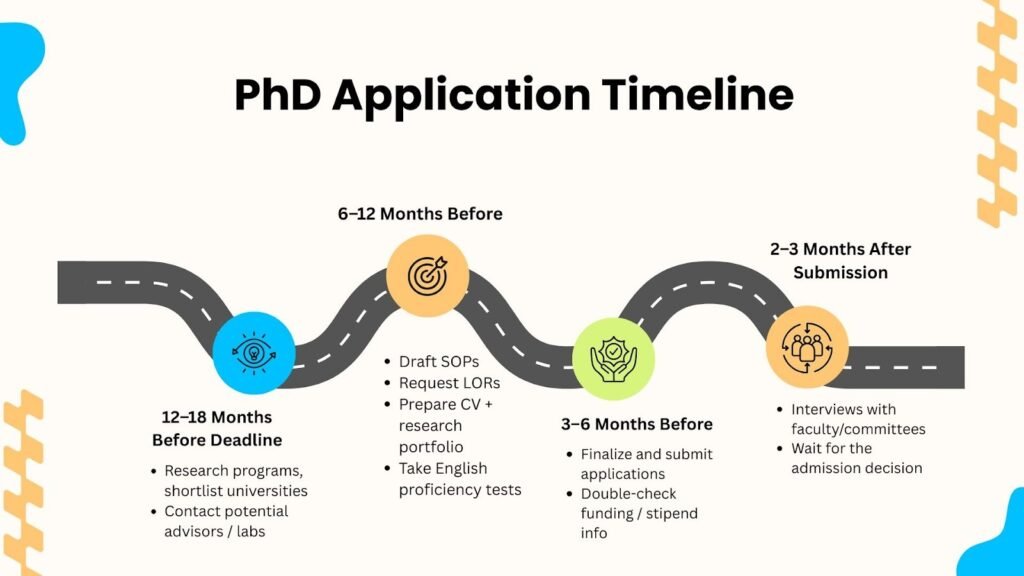
Admissions are highly competitive and holistic. They prioritize research potential, strong letters, prior research output/experience, and alignment with faculty research.
Many top CS PhD programs have dropped GRE (Graduate Record Examinations) requirements entirely. For example, Stanford CS does not require or consider GRE scores for PhD applicants.
Some materials needed for computer science PhD programs include:
🔶 Transcripts, such as the records of your academic history, including courses taken and grades received.
🔶 3 LORs (letters of recommendation from individuals who know your academic abilities and research potential well, such as professors from your field of study).
🔶 A statement of purpose that articulates your research goals and faculty fit.
🔶 Evidence of faculty alignment, you should also demonstrate how your prior work and goals align with advising labs and ongoing projects.
🔶 A CV with research experience, preprints/publications, or significant projects.
🔶 Also, check for any departmental minimums set by the graduate school, then emphasize research alignment and evidence of research potential
Is a PhD in computer science worth it?
Yes, especially for research‑driven careers. This degree pays off through high‑growth roles and strong compensation, particularly in R&D, advanced AI/ML, and specialized domains.
The U.S. Bureau of Labor Statistics shows how Computer and Information Research Scientists, roles closely aligned with PhD training, have a much faster than average growth outlook and a high median wage in the most recent data.
In addition, NSF’s doctoral workforce surveys document robust industry and academic employment for doctoral holders across science and engineering.
Students focused on advanced research, innovation leadership, or tenure‑track academic careers typically benefit most from doctoral training, while those targeting applied, development roles may find a master’s degree sufficient.
How long does a PhD in Computer Science take to complete?
Most research-oriented CS programs in the US typically require 5-6 years to complete, consistent with timelines published by top programs. For example, Stanford CS notes the PhD is typically completed in 5-6 years, and MIT structures doctoral study around milestones that collectively span multiple years from qualification to defense.
Time varies with research area (e.g., systems projects can be longer than theory), lab resources, publications, and internship or teaching commitments. Asking advisors and current students about realistic timelines in a specific lab is the best way to set expectations.
Career Opportunities for Computer Science PhD Programs
A PhD in Computer Science opens doors to diverse careers in academia, industry, and government. Graduates move into roles such as research scientists, AI/ML experts, faculty, and R&D leaders, with strong demand and competitive salaries worldwide. The table below highlights key career paths, typical responsibilities, and salary ranges.
CAREER PATH
RESPONSIBILITIES
SALARY
Assistant Professor
Teach undergraduate/graduate courses, supervise grad students, run an active research program, publish, apply for grants, and serve committees.
Conduct focused research under a PI, publish papers, mentor students, and sometimes teach. It is a common transitional role before faculty/industry research.
$62,232/yr as per typical US university/NIH/NRSA-based stipends.
Computer and Information Research Scientist
Lead or contribute to long-term research projects, publish, prototype/transfer research to product teams, and collaborate across teams.
Machine Learning / Applied AI Engineer (senior/principal)
Design, build, deploy ML systems, productionize models, monitor systems, and collaborate with product/engineering. PhD holders are often in senior/lead roles.
Most funded CS PhD students do not pay tuition out of pocket because their offers typically include full tuition coverage and a living stipend via fellowships or RA/TA appointments. So the stated “tuition” on public pages is not the student’s price. Therefore, applicants should prioritize programs with multi‑year support commitments.
▶ Is it hard to get a PhD in CS?
Yes, admissions are highly competitive, and the strongest applicants show clear research potential, excellent recommendations, and a tight match with faculty interests and labs. Many programs evaluate holistically and do not require GRE scores.
▶ What is a good GPA for a CS PhD?
A 3.6 or above on a scale of 4 is considered good. Since departments prioritize research fit and potential, high‑quality research experiences, publications, and letters can weigh more than small GPA differences at the top end.
▶ What are the requirements for a PhD in computer science?
In order to get a PhD in Computer Science, you will need a Master's degree in Computer Science or a related field with a strong academic record, standardized test scores like the GRE or a relevant national exam, and letters of recommendation. You will also be required to submit a compelling statement of purpose and a research or project proposal.
▶ What research areas can I specialize in for a computer science PhD?
Most programs organize around AI/ML, systems, theory of computation, human-computer interaction, security and privacy, and data science. Your choice should depend on which faculty labs at your target schools are actively funded and publishing in that area, since your dissertation depends on that mentorship.
Not sure if a PhD is the right path for your student?
Get personalized guidance from a college planning advisor who can help map out the best next steps.