How to Make a Graphic Design Portfolio
Learn how to make a graphic design portfolio that stands out. Explore portfolio examples, top portfolio websites, and expert tips to showcase your best work.
Maddie
26 Nov 2025

Learn how to make a graphic design portfolio that stands out. Explore portfolio examples, top portfolio websites, and expert tips to showcase your best work.
Want a creative career in design? Your graphic design portfolio can be your ticket to landing internships, clients, and dream jobs. Whether you are a student or an aspiring designer, crafting a portfolio that speaks to your skills can set you apart in a competitive industry.
According to the U.S. Bureau of Labor Statistics, the graphic design industry is projected to grow 2% from 2024 to 2034, adding around 20,000 new jobs every year. As more companies shift toward digital content, your portfolio becomes your visual resume, showing creativity, problem-solving, and design thinking.
A well-structured graphic design portfolio not only highlights your best work but also reflects your personality and professional growth. In this article, you’ll explore what makes a strong portfolio, how to create one, and see real graphic design portfolio examples.
A graphic design portfolio is a curated collection of your best design work. It can be a digital portfolio, hosted on popular graphic design portfolio websites, or a physical printed version.
Your portfolio should:
A great graphic designer portfolio isn’t about showcasing every single project you’ve ever worked on. It’s about how you present your creativity, versatility, and thought process in a way that reflects your design identity.
Here’s what separates the best graphic design portfolios from the rest:
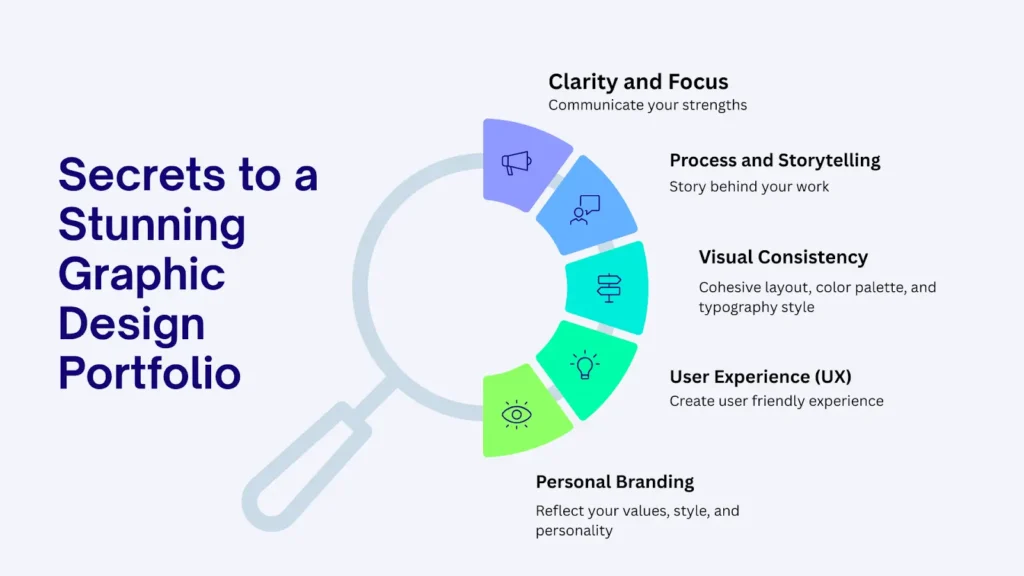
The story behind your work is just as important as the final design. Include short case studies describing:
Example: If your portfolio is minimalist, use plenty of white space, clean typography, and neutral tones. If it’s more expressive, balance color and typography thoughtfully to maintain a sense of order.
Whether your portfolio is hosted on a graphic design portfolio website like Behance or on your own domain, user experience is key.
Think of your graphic portfolio as your digital identity. It should reflect your values, style, and personality.
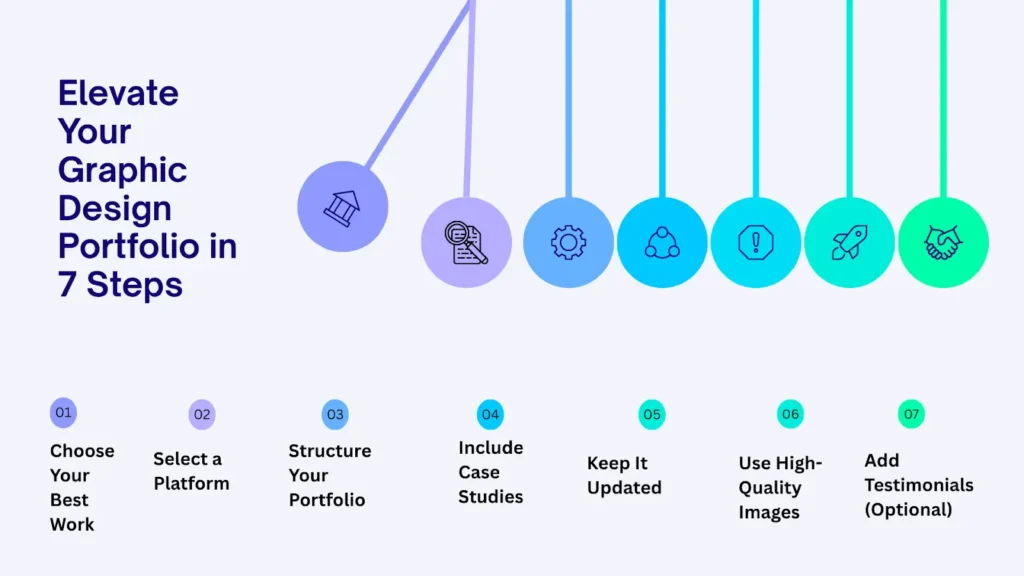
Creating the best graphic design portfolio requires careful planning and attention to detail. Follow these steps:
Your portfolio should be a reflection of your strengths, creativity, and versatility.
Start by selecting 6-10 of your best projects that demonstrate your expertise across different design areas.
Several graphic design portfolio websites make it easy to create and customize your showcase:
If you are just starting, Canva also offers free, visually appealing portfolio templates you can download or host online.
Organize your projects clearly. A clear structure could include:
Case studies add depth to your portfolio by showing not only what you designed but also how and why you designed it. For each major project, include:
Example: “For a college sustainability campaign, I created a minimalist poster series using eco-friendly colors and clear typography to increase student awareness. Engagement rose by 35% in the first month.”
Your graphic design portfolio should evolve as your skills and experience grow. Regularly update it with your latest projects, remove outdated work, and refresh visuals to reflect your current style.
Use high-resolution images and clean mockups to showcase your designs professionally. Pixelated or poorly cropped visuals can undermine even the best work.
If you’re photographing printed materials or sketches, ensure good lighting and neutral backgrounds.
For digital work, use realistic device mockups to display websites, apps, or branding concepts.
Including testimonials or feedback quotes from teachers, mentors, or clients can add credibility to your portfolio.
For example:
“Mia’s design sense and attention to detail brought our brand vision to life. She communicates ideas effectively and delivers outstanding results.” - Student Project Client
Tip: Don’t hesitate to request short testimonials after completing a successful project. Most clients or professors are happy to support you.
Here are ten outstanding graphic design portfolio examples from professionals whose work continues to inspire students and creatives worldwide:
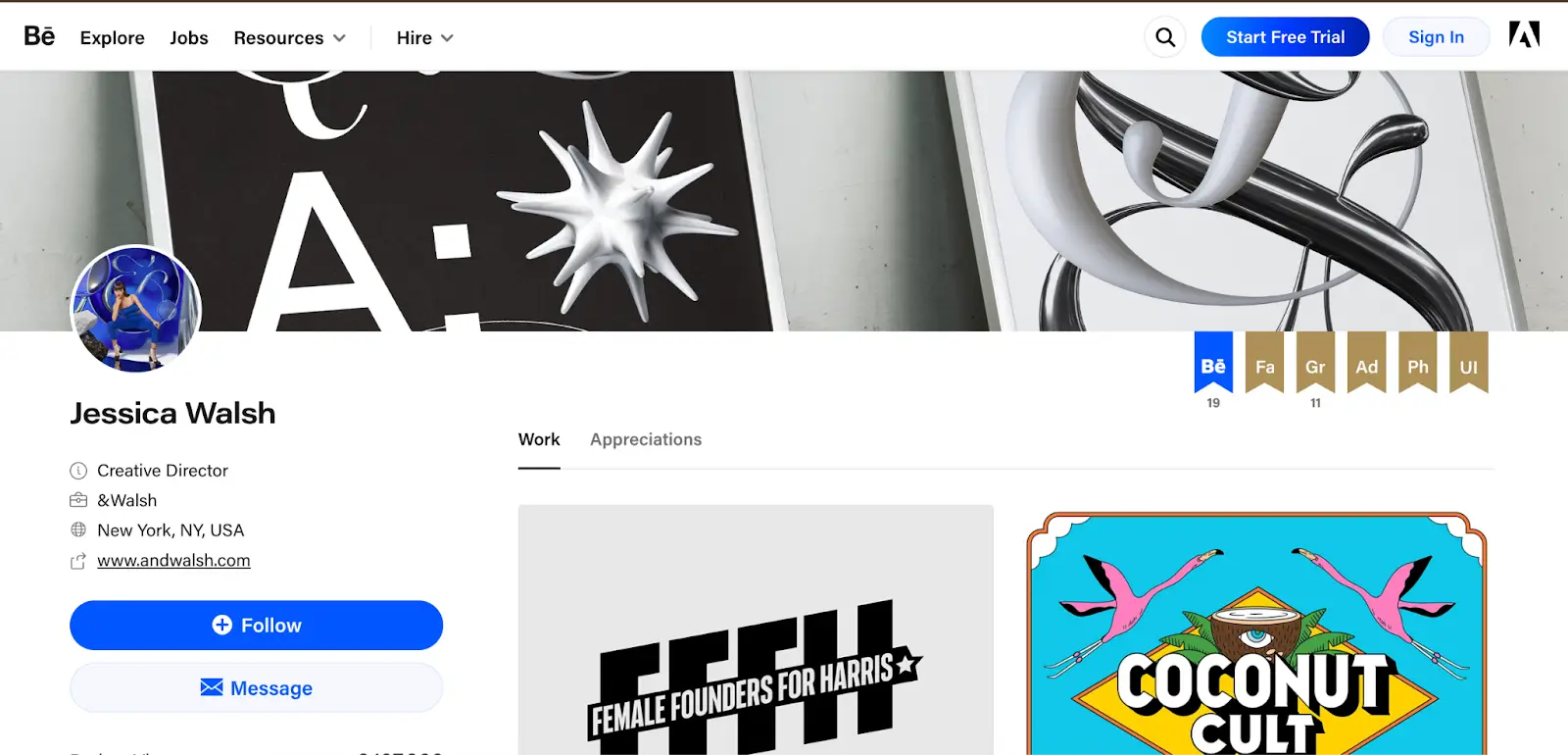
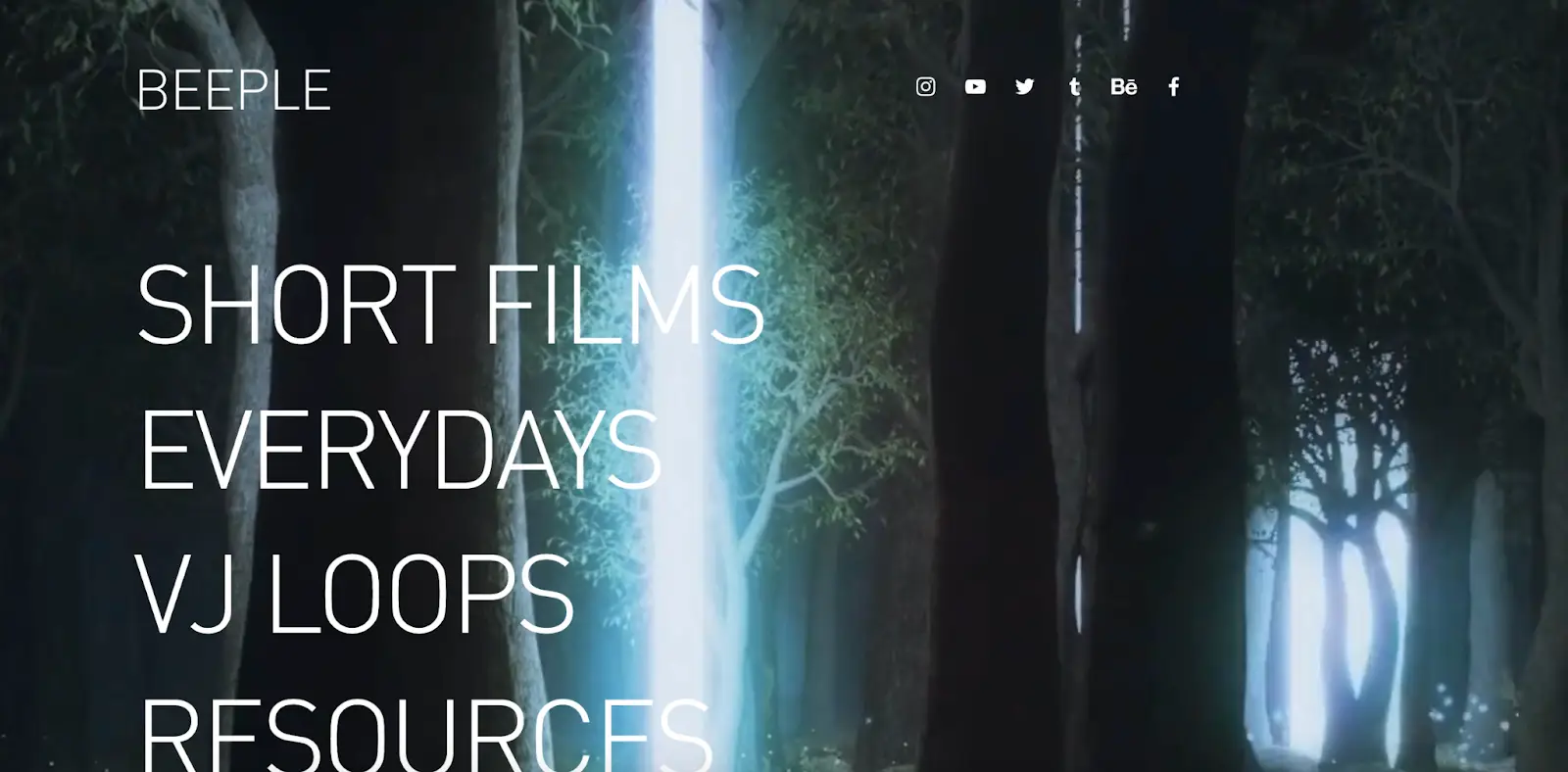
Futuristic 3D Art and Consistency
Known globally as Beeple, Mike Winkelmann’s portfolio showcases his futuristic 3D digital art and his famous “Everydays” project, where he creates a new design every single day. His website is minimalist, focusing entirely on his bold, imaginative visuals.
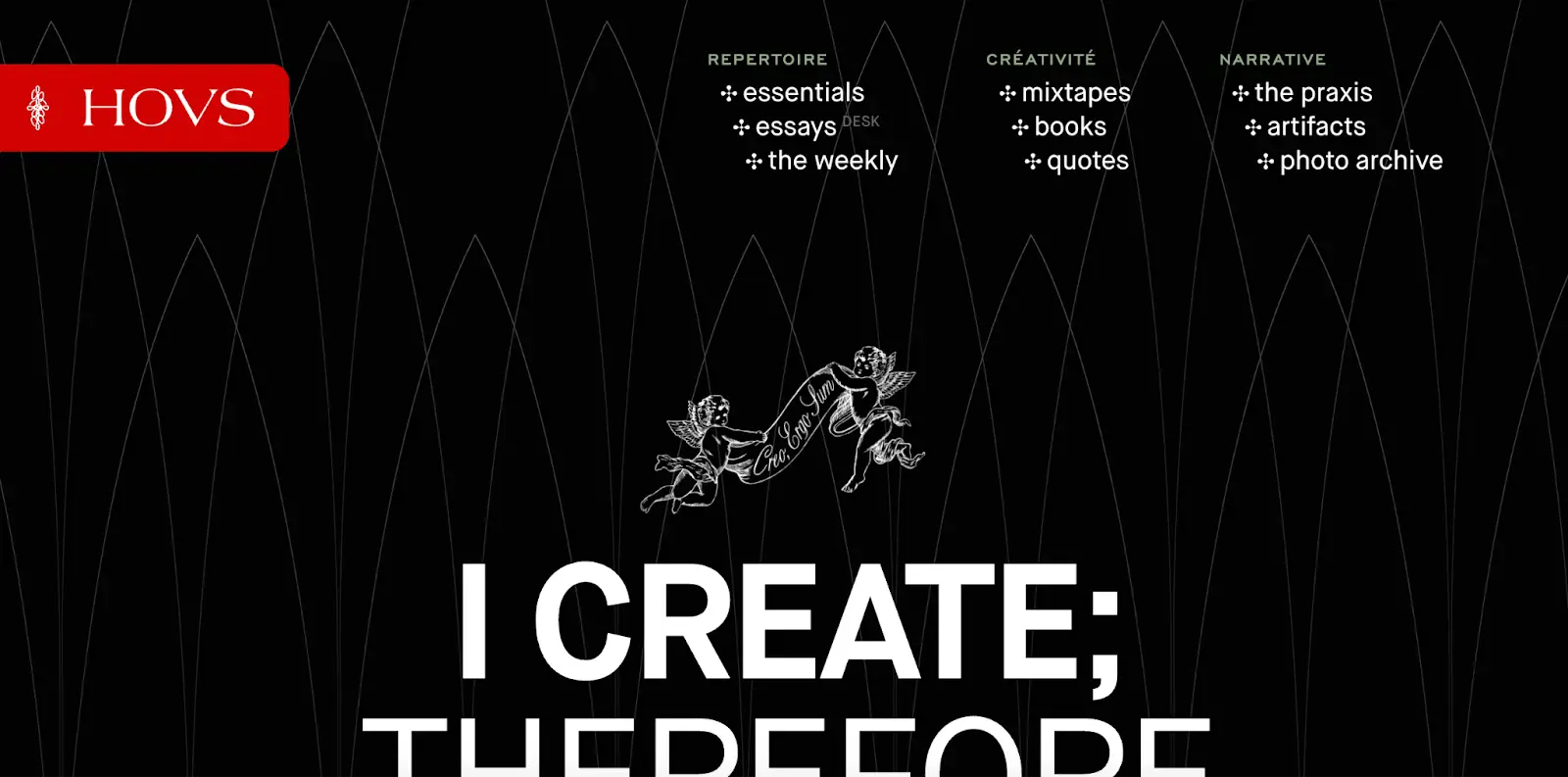
Minimalist UX and Brand Design
A former Spotify art director, Tobias van Schneider’s portfolio demonstrates how simplicity and clarity can make a powerful impression. With a muted color palette, smooth animations, and carefully written case studies, his portfolio balances UX design and brand identity work seamlessly.
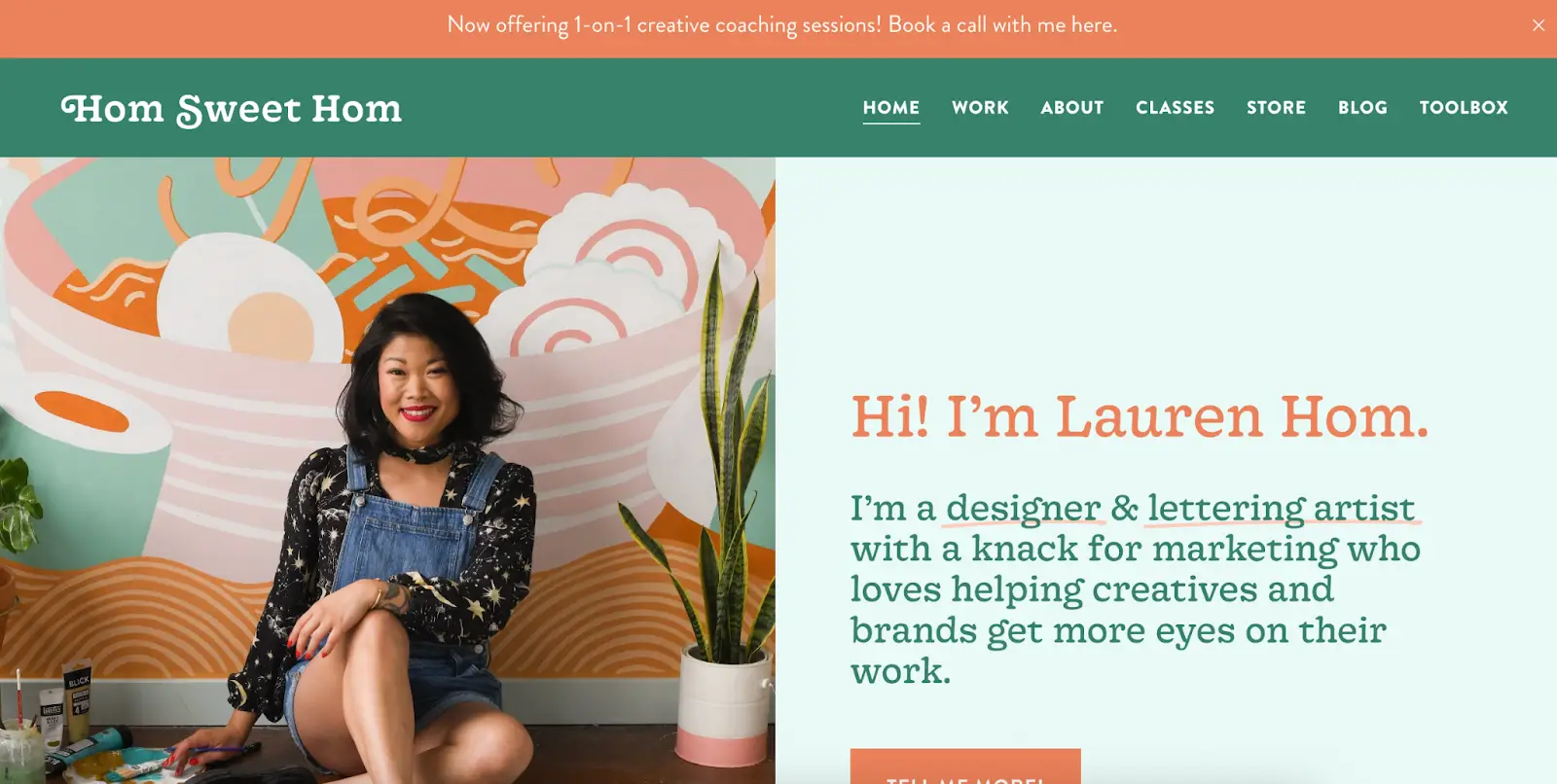
Hand Lettering and Vibrant Personality
Lauren Hom brings warmth and positivity to her portfolio through bright colors, playful typography, and her signature hand-lettering style. Her portfolio not only displays beautiful artwork but also projects her personality and brand voice throughout.
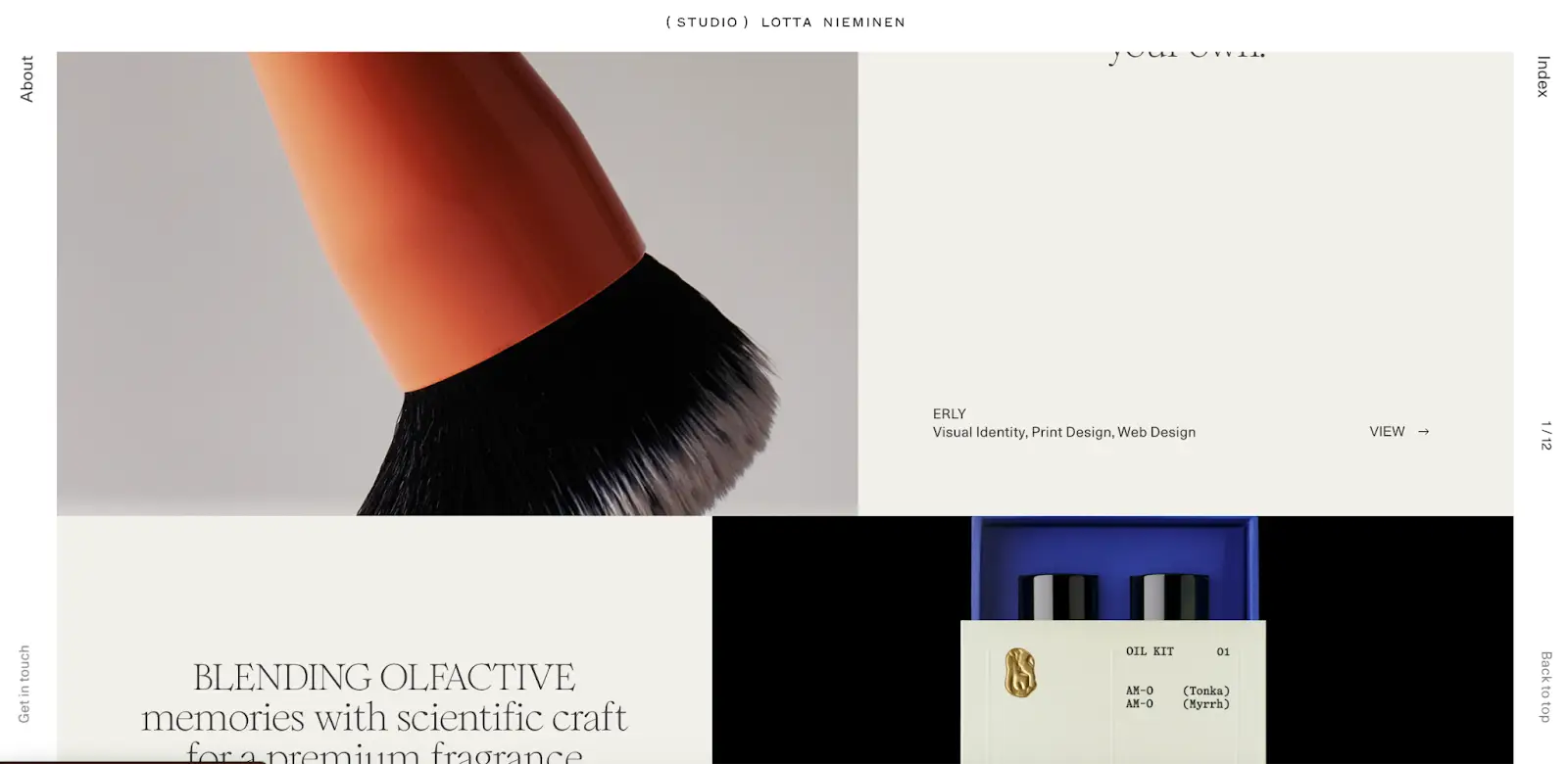
Editorial Precision and Elegant Layouts
Lotta Nieminen is known for her elegant approach to editorial and branding design. Her portfolio emphasizes structure, balance, and precision. The qualities that mirror her Scandinavian design background. The clean white background and thoughtfully spaced content allow her visuals to breathe, reflecting mastery in layout design and minimalism.
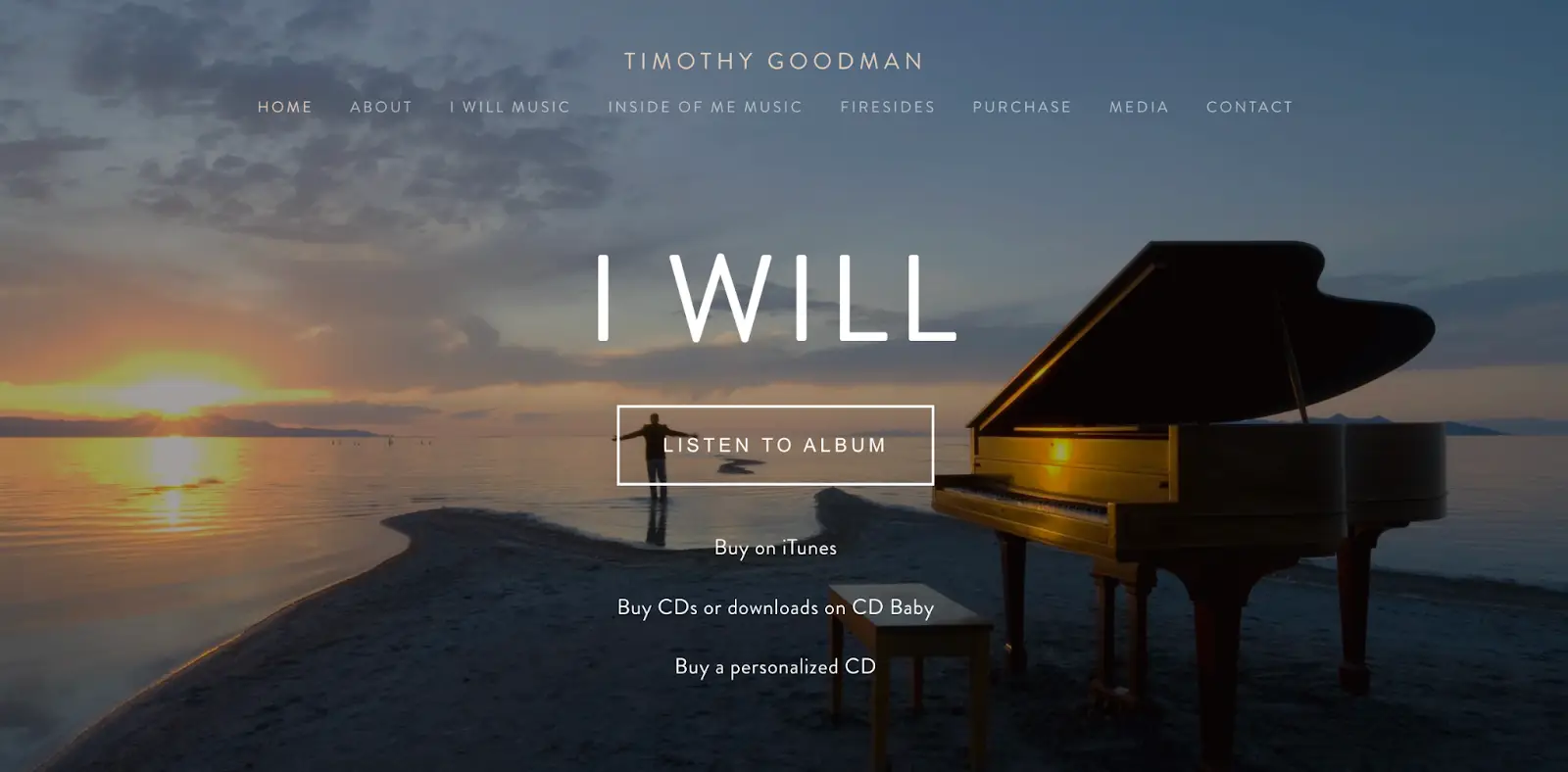
Illustration Meets Personal Expression
Timothy Goodman stands out for his bold mix of illustration, typography, and social commentary. His musical portfolio feels personal and artistic, filled with handwritten elements and emotionally charged visuals. He often uses his work to explore personal themes, from mental health to modern relationships, proving that design can be both aesthetically powerful and socially meaningful.
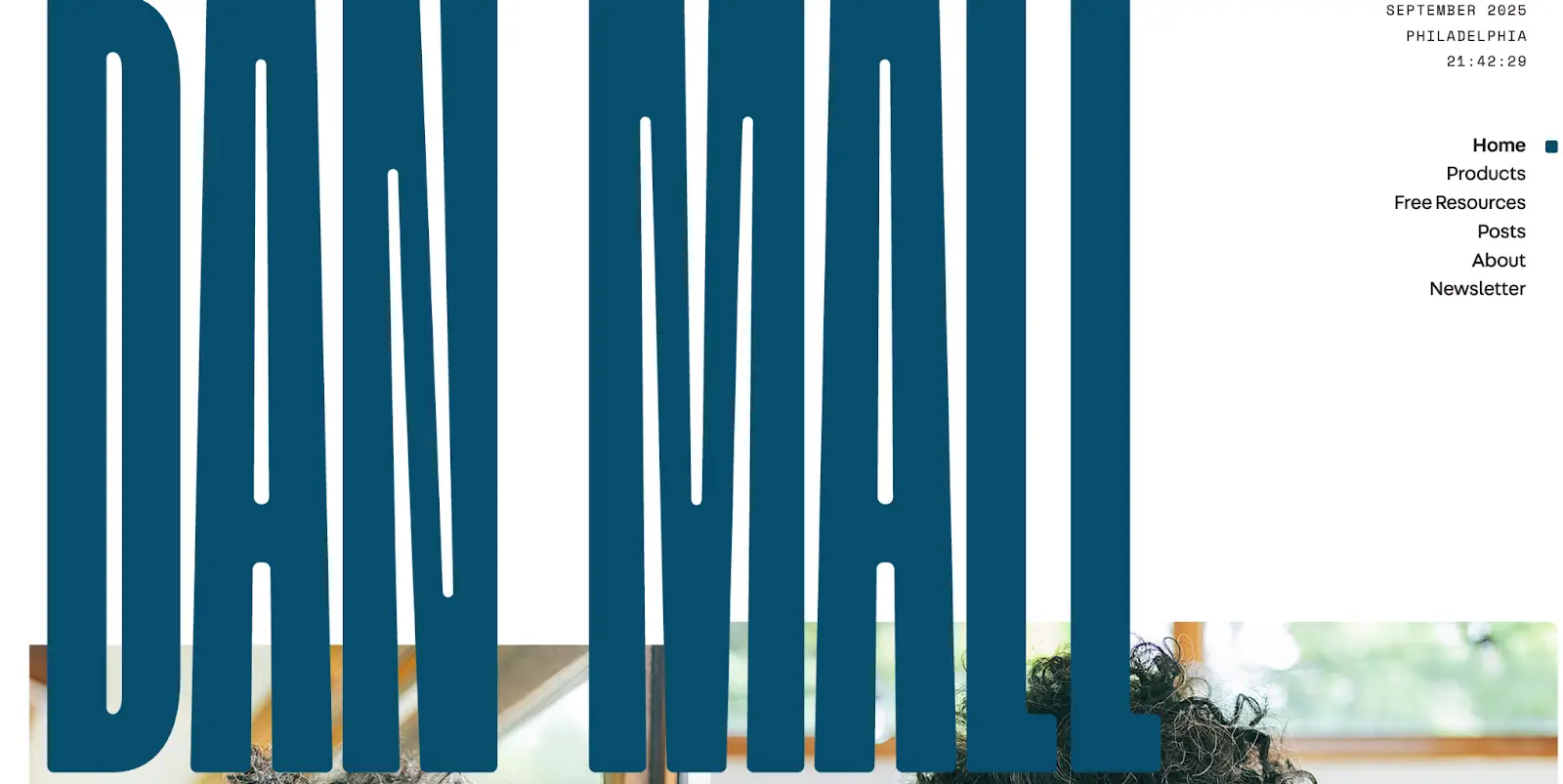
Design Systems and Thought Leadership
Dan Mall is a designer and creative director known for building scalable design systems for brands. His portfolio showcases a clean, grid-based layout that emphasizes usability, structure, and strategy. Alongside his work, he shares resources and insights for other designers, giving his website an educational tone.
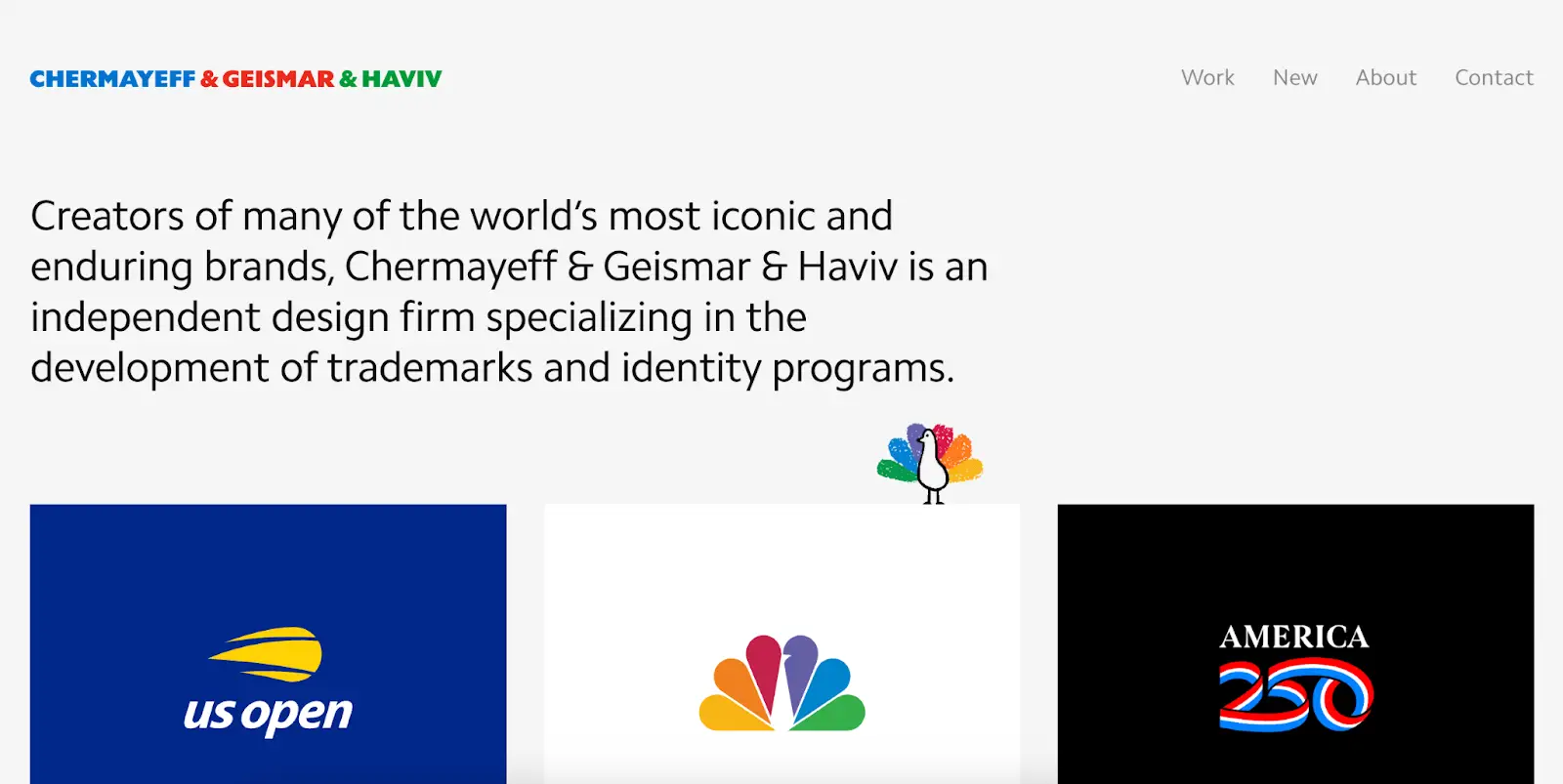
Iconic Logos and Timeless Simplicity
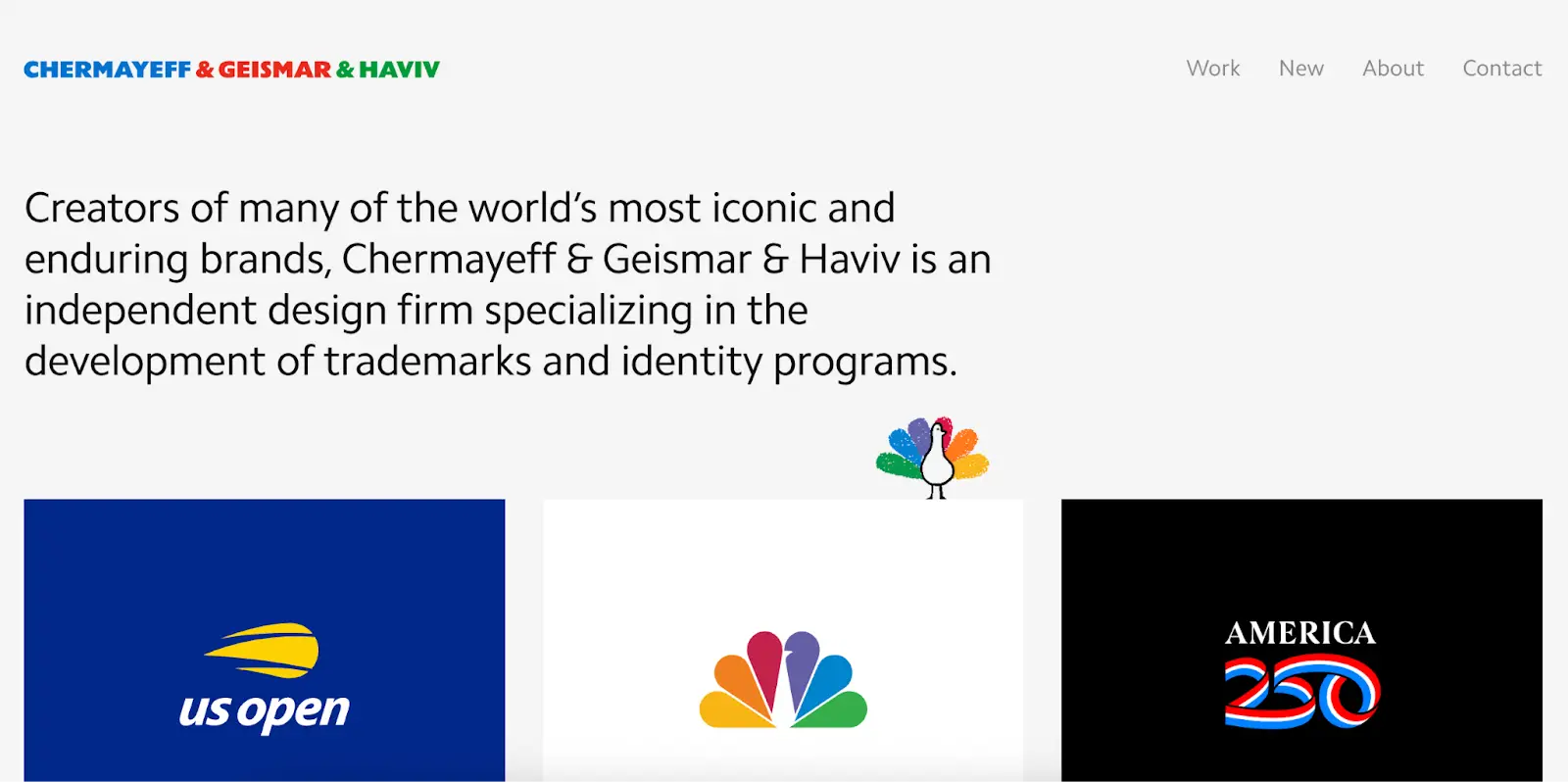
A partner at the legendary design firm Chermayeff & Geismar & Haviv, Sagi Haviv has designed iconic logos for brands like NBC, Chase Bank, and National Geographic. His portfolio showcases timeless and strategically simple logo design, illustrating how clarity and conceptual strength can last for decades.
Experimental Typography and Visual Identity
Alex Trochut is celebrated for his experimental typography, merging digital illustration, motion graphics, and graphic design. His portfolio bursts with creativity, blending fine art and technology into one. His work shows that innovation comes from pushing boundaries.
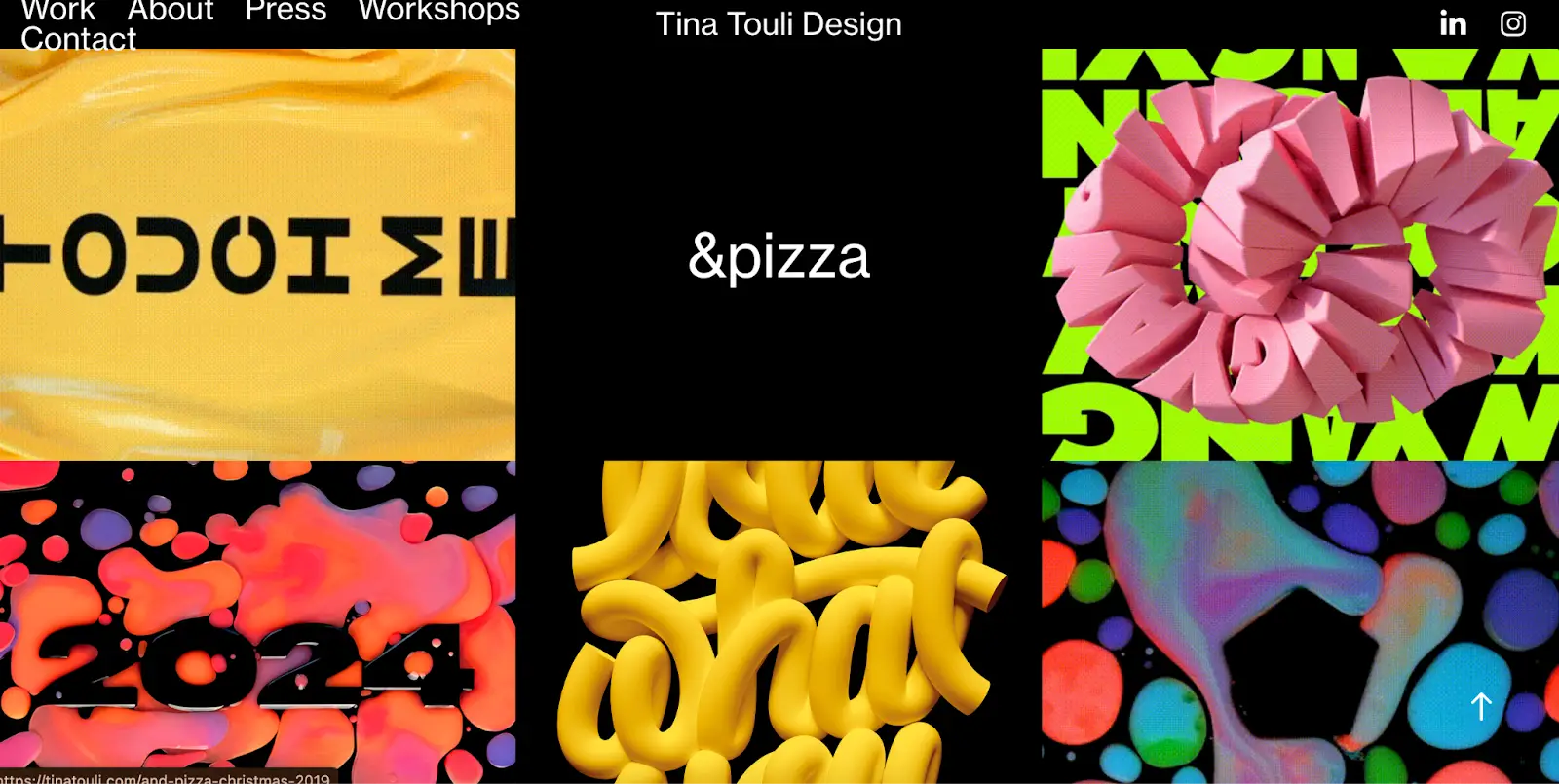
Blending Physical and Digital Art
Tina Touli bridges the gap between traditional and digital design. Her mixed-media portfolio combines photography, motion, and print to produce highly tactile and original visuals. What stands out in her work is her process; she often starts with handcrafted elements and later transforms them digitally. This shows that creativity doesn’t always start on a screen.
While digital portfolios dominate today’s market, printed versions still have value, especially in interviews or design exhibitions.
A physical portfolio can make your work tangible and memorable. However, it should complement your online portfolio, not replace it. Keep a compact version with printed samples of your strongest projects, like posters, packaging, or branding materials.
A graphic design portfolio showcases your creative projects, style, and technical skills. Whether you want to apply to design schools, internships, or entry-level roles, it helps demonstrate your ability to solve visual problems effectively.
Yes. Canva offers free templates for creating graphic design portfolios with drag-and-drop tools, making it beginner-friendly. You can design your pages in Canva and export them as PDFs or upload visuals to your portfolio website.
According to Colorlib, about 90% of graphic designers work freelance in some form. Either full-time or by taking on independent projects. This shows that freelancing plays a major role in the design industry.
However, many still work in advertising agencies, publishing houses, or corporate design teams. So, while freelancing is common and growing, most designers still balance it with traditional employment.
Adobe Portfolio is one of the best platforms for building a professional graphic design portfolio. It offers customizable templates, integrates with Behance, and lets you showcase your work with your own domain name.
For beginners, Behance is also a great option since it’s free, easy to use, and helps you connect with other designers.
The 3 C’s stand for Clarity, Consistency, and Creativity. These are the essential principles for effective visual communication in every graphic designer's portfolio.
Yes, you own the copyright for the original elements you create yourself in your Canva design. However, if your design uses Canva library content (photos, illustrations, templates, etc.), those parts remain licensed from Canva, and you cannot claim exclusive ownership of them.
Avoid adding unfinished work, irrelevant school projects, or designs copied from tutorials. Each piece should represent your genuine creativity and skills.